

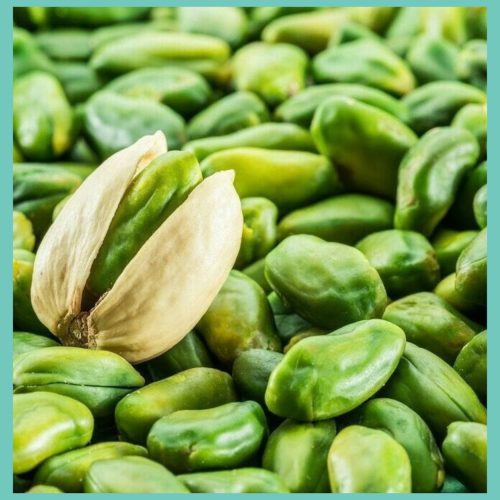
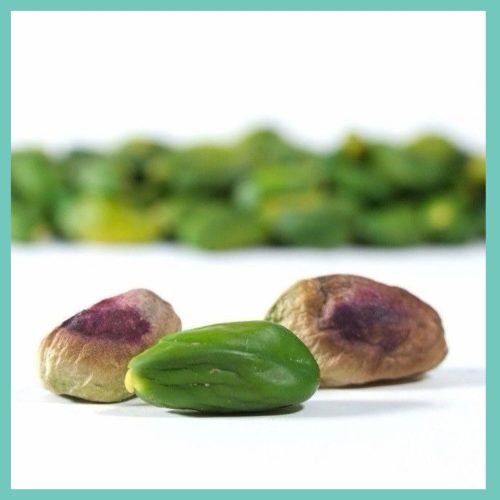
Green pistachio kernel is a specialized pistachio ingredient valued for its intense green color, distinctive flavor, and versatility in food production. Unlike conventional pistachio...
Buying green pistachio kernels for commercial food production involves more than choosing a product based on its appearance or color. For food manufacturers, pastry producers, chocolatiers, gelato makers, and other professional buyers, the quality and consistency of the raw material can directly affect the final product.
Before placing a commercial order, buyers should evaluate several factors, including product specifications, color consistency, moisture, food safety requirements, packaging, documentation, and the supplier’s ability to provide consistent quality from one shipment to another.
A reliable purchasing process should also include reviewing technical specifications, requesting a Certificate of Analysis (COA), and approving a representative sample before moving to a larger order. These steps can help buyers reduce quality risks and make better purchasing decisions.
In this guide, we explain the key points food manufacturers should consider when purchasing Green Pistachio Kernels, from quality specifications and laboratory documentation to sampling and supplier evaluation.
What Should Buyers Check Before Purchasing Green Pistachio Kernels?
Before purchasing green pistachio kernels, buyers should first define the quality requirements of their final product. The right purchasing criteria can vary depending on the production process, but several fundamental factors should always be evaluated.
Color and color consistency are important quality attributes, particularly when the pistachio kernels are used in products where appearance matters. Buyers should look for a clear and consistent color profile that matches the agreed product specification.
Flavor and freshness are also important. Green pistachio kernels should have the characteristic flavor of pistachios without unusual odors or signs of deterioration. Proper storage and handling throughout the supply chain can help preserve these qualities.
Buyers should also review the product’s moisture content, cleanliness, breakage level, and food safety parameters. These specifications should be clearly defined before a commercial order is placed, rather than being left to interpretation after delivery.
Finally, consistency should be considered alongside individual product quality. A sample may meet the buyer’s expectations, but the supplier should also be able to maintain comparable quality across commercial shipments.
Which Quality Specifications Matter Most?
When purchasing green pistachio kernels for commercial production, buyers should agree on clear product specifications before placing an order. These specifications provide a common reference for both the buyer and the supplier and help ensure that the delivered product matches the agreed requirements.
Understanding Pistachio Kernel Quality starts with defining measurable characteristics that are relevant to the intended application.
Moisture content is one of the important specifications to consider. Moisture content can affect physical properties of pistachio kernels and should therefore be clearly defined as part of the agreed product specification [1]. Buyers should establish an acceptable range according to the intended application, storage conditions, and applicable requirements.
Color and color uniformity should also be clearly specified when the visual appearance of the final product is important. Rather than relying only on general descriptions such as “green,” buyers can establish more specific requirements based on the expected appearance of the finished product.
Breakage and physical condition may also need to be defined, depending on how the kernels will be handled and processed. Buyers should make sure that the agreed specification clearly describes the acceptable level of broken kernels and the expected physical condition of the shipment.
Other specifications may include cleanliness, foreign material, microbiological parameters, and aflatoxin levels. The exact requirements can vary by destination market, product application, and applicable food safety regulations.
For this reason, buyers should request detailed Pistachio Kernel Specifications from the supplier before confirming a commercial order. Having these requirements documented makes it easier to compare samples, review test results, and verify that subsequent shipments meet the agreed quality standard.
Why a Certificate of Analysis (COA) Matters?
A Certificate of Analysis (COA) provides documented test results for a specific batch of a food product. For buyers purchasing green pistachio kernels, a COA can provide important information about whether a shipment meets the agreed quality and safety specifications.
A COA may include parameters such as moisture content, microbiological results, foreign material, and aflatoxin levels [2], depending on the product, supplier, destination market, and agreed specifications. Aflatoxin contamination is an important food-safety concern in pistachios and can be influenced by conditions before and after harvest, making appropriate monitoring and control important throughout the supply chain.
Buyers should not assume that a COA from one shipment automatically represents every future shipment. Instead, the results should be reviewed against the agreed product specification and, where appropriate, verified for each commercial batch.
It is also important to check that the COA clearly identifies the relevant lot or batch number and includes the date of analysis. This allows the test results to be linked to a specific shipment and makes quality documentation easier to trace.
For commercial purchases, buyers should therefore request a Pistachio Kernel COA from their supplier and compare its results with the specifications agreed before shipment. This provides a more structured way to verify product quality than relying solely on visual inspection or a previously approved sample.
Why Sampling and Approval Are Important Before a Commercial Order?
Before placing a commercial order, buyers should evaluate a representative sample of the green pistachio kernels they intend to purchase. Sample approval allows buyers to assess whether the product meets their expectations before committing to a larger quantity.
The sample should be evaluated against the agreed product specifications, rather than only by general visual impression. Depending on the intended use, buyers may review factors such as color, flavor, moisture, physical condition, cleanliness, and other agreed quality parameters.
It is also important that the approved sample represents the product that will be supplied in the commercial shipment. If the sample is significantly different from the bulk product, the approval process does not provide a reliable basis for purchasing.
For larger or recurring orders, buyers may also want to keep a record of the approved sample and the corresponding specifications. This can provide a useful reference when comparing future shipments and discussing any quality differences with the supplier.
Sample approval does not replace laboratory testing or a Certificate of Analysis. Instead, it complements technical documentation by allowing the buyer to evaluate the actual physical and sensory characteristics of the product before placing the order.
How to Evaluate a Green Pistachio Kernel Supplier?
Choosing a suitable green pistachio kernel supplier is not only about comparing prices. For commercial buyers, the supplier’s ability to provide consistent quality, clear documentation, and reliable communication is equally important.
Buyers should first evaluate whether the supplier can provide clear product specifications and relevant quality documentation. The supplier should be able to explain the main characteristics of the product and provide supporting documents such as a Certificate of Analysis when required.
The supplier’s ability to provide consistent quality between shipments should also be considered. A supplier may provide an acceptable sample, but long-term cooperation requires the ability to maintain the agreed specifications across multiple commercial orders.
Communication and responsiveness are also important. Buyers should be able to discuss specifications, sampling, packaging, documentation, and shipping requirements clearly before an order is confirmed.
For larger or recurring purchases, buyers may also consider the supplier’s production and supply capacity. A supplier should have a realistic ability to meet the required volume and maintain the agreed quality as order quantities increase.
Finally, buyers should look for a supplier that is transparent about product specifications, testing, packaging, and commercial terms. Clear communication at the purchasing stage can help reduce misunderstandings and quality risks later in the supply chain.
Why Consistency Between Shipments Matters?
For food manufacturers, consistency between shipments can be just as important as the quality of an individual batch. Changes in raw material characteristics can affect production processes, product appearance, flavor, and overall product consistency.
When purchasing Green Pistachio Kernels on a regular basis, buyers should establish clear specifications that can be used as a reference for every shipment. These may include color, moisture, physical condition, cleanliness, and other agreed quality parameters.
Consistency is particularly important when pistachio kernels are used as an ingredient in standardized food products. Significant differences between shipments may require adjustments in production or affect the characteristics of the finished product.
Buyers should therefore discuss quality tolerances and acceptable variations with their Green Pistachio Kernel Supplier before starting a long-term purchasing relationship. Clear specifications and documented quality requirements can provide a practical basis for comparing future shipments.
A reliable purchasing process should focus not only on whether the first sample is acceptable, but also on whether the supplier can maintain the agreed quality over time.
What Export Buyers Should Confirm Before Ordering?
For international purchases, buyers should confirm the requirements that apply to the destination market before finalizing an order. Food safety regulations, documentation requirements, labeling rules, and import procedures can vary between countries.
Buyers should first confirm the applicable Pistachio Kernel Quality Standards and food safety requirements in the destination market. Depending on the country, these may include requirements related to aflatoxins, microbiological parameters, contaminants, residues, and other food safety criteria.
Documentation should also be agreed before shipment. Depending on the destination and the terms of the transaction, buyers may need documents such as a commercial invoice, packing list, Certificate of Analysis, certificate of origin, health certificate, or other import-related documents.
Packaging and labeling requirements should also be confirmed in advance.
Proper packaging can also help maintain product quality during storage and transportation, particularly by limiting moisture-related changes and other quality deterioration. [3]
Buyers should make sure that the agreed packaging format, net weight, product identification, lot or batch information, and other required details comply with the destination market’s requirements.
Finally, buyers should clarify the agreed delivery terms, shipping method, required documents, and responsibilities of each party before the order is confirmed. Establishing these details in advance can help prevent delays and misunderstandings during the export and import process.
Green Pistachio Kernel Grades: What Buyers Should Know
Green pistachio kernels are available in different grades, and the appropriate grade depends on the buyer’s required specifications and intended use. Buyers should not evaluate a grade based on color alone; factors such as color intensity, uniformity, physical condition, and the agreed product specification should also be considered. Because grade characteristics can vary between suppliers, buyers should request a clear grade specification and representative sample before placing a commercial order. For a more detailed explanation of the available grades and their characteristics, see our guide to Green Pistachio Kernel Grades.
Choosing a Supplier of Green Peeled Pistachio Kernels
Selecting the right supplier is an important part of purchasing Green Peeled Pistachio Kernels for commercial production. Buyers should look beyond the product itself and evaluate the supplier’s ability to provide clear specifications, consistent quality, reliable documentation, and stable supply.
A suitable Pistachio Kernel Supplier should be able to provide detailed product specifications, representative samples, relevant quality documentation, and a Certificate of Analysis when required. Clear communication about specifications, packaging, minimum order quantities, and shipping requirements is also important before confirming an order.
For buyers looking for a consistent supply of green peeled pistachio kernels, reviewing the supplier’s available grades, quality specifications, and export capabilities can help establish a more reliable purchasing process.
You can learn more about our Green Peeled Pistachio Kernels, available grades, and product specifications on our product page.
Why Storage and Transportation Conditions Matter?
Quality should not be evaluated only at the time of production or sampling. Storage and transportation conditions can also affect the quality of green pistachio kernels before they reach the buyer.
Pistachio kernels contain a relatively high proportion of unsaturated fats, which makes them susceptible to quality deterioration under unfavorable storage conditions. Temperature, humidity, exposure to oxygen, and storage time can influence factors such as rancidity, moisture changes, and overall product quality.
For this reason, buyers should discuss storage and transportation conditions with their supplier before confirming a commercial order. Packaging should provide appropriate protection against moisture and environmental conditions, while transportation and storage should be managed in a way that helps preserve the agreed product quality.
Buyers should also clarify how the product will be stored before shipment, during transportation, and after arrival. For international purchases, considering the expected transit time and destination storage conditions can help reduce avoidable quality risks.
Research on postharvest handling of pistachios has shown that storage temperature, relative humidity, and packaging conditions can influence product stability and quality.
Conclusion
Buying green pistachio kernels for commercial production requires more than evaluating a sample or comparing prices. Buyers should establish clear product specifications, review quality documentation, approve representative samples, and evaluate the supplier’s ability to maintain consistent quality over time.
For international purchases, destination-market requirements, documentation, packaging, transportation, and storage conditions should also be confirmed before the order is finalized.
A structured purchasing process can help food manufacturers reduce quality risks, improve consistency between shipments, and establish more reliable long-term supply relationships.


